How Small Classes Build Confidence, Not Just Grades
By Ryan Chong
The first time you walk into a tuition centre, class size can look like just a number. Ask a parent whose child has sat in both a crowded room and a small one, and it's something bigger: the difference between being seen and being overlooked.
We built Our Learning Loft around a plain idea: real learning happens in relationships, not in rows of silent students. Small classes aren't a feature we tacked on; they're what makes everything else work. It's the basis of how we teach.
What changes in a small room
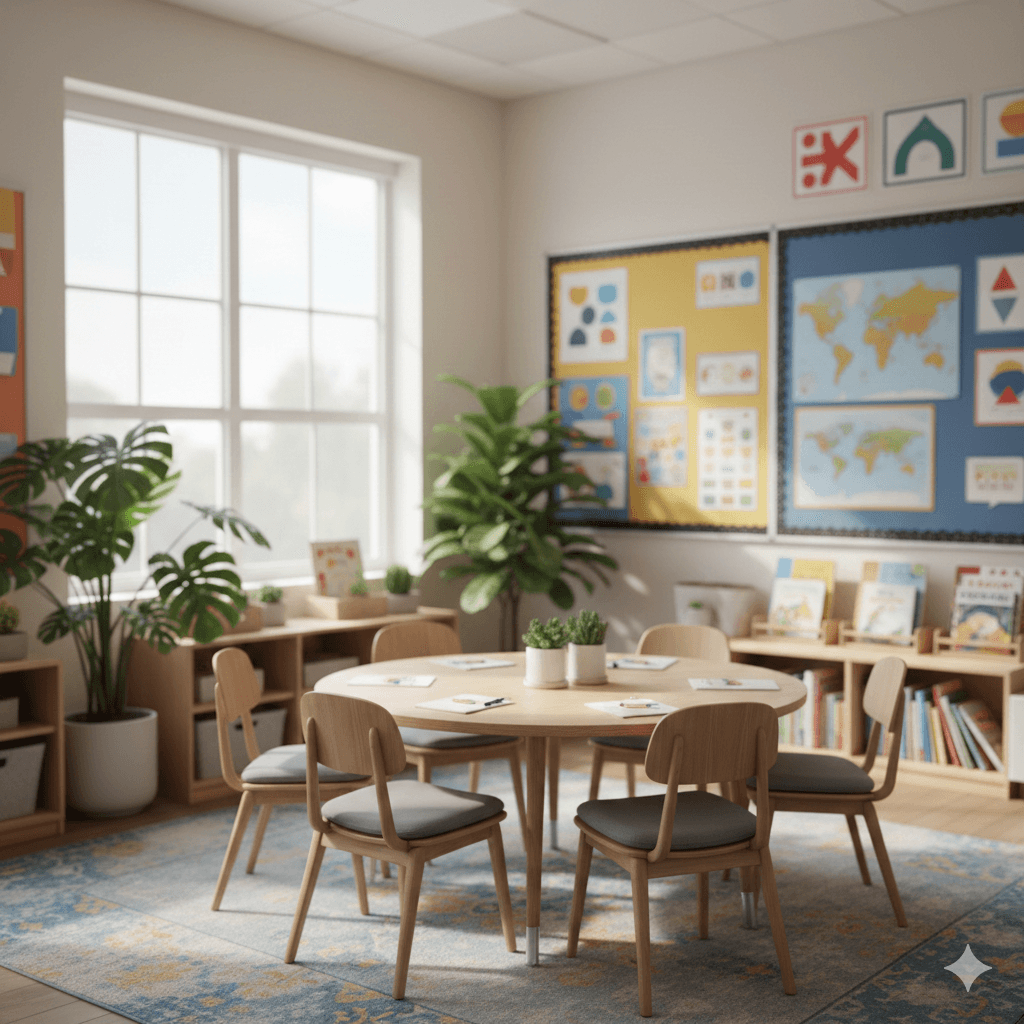
In a class of 30 to 40, even a dedicated teacher gets a couple of minutes per student. Quick questions get answered; deeper understanding doesn't, because there isn't time. With six to eight students, the teacher notices the furrowed brow at a tricky step and deals with it then and there, instead of pressing on with the plan. The hand that would stay down in a crowd goes up. The student who needs a visual explanation and the one who needs it spelled out step by step can both be served in the same lesson, because the teacher can actually see them.
Relationships do the heavy lifting
The strongest predictor of how well a student does isn't the worksheet or the curriculum; it's the relationship with the teacher. When a child knows their teacher understands their strengths and their struggles, they stop performing for grades and start learning for understanding. They ask "why" instead of "will this be on the test." In a small class that relationship is the default, not a lucky accident. Your child isn't number 23 in the room; they're the one who loves science but freezes in timed maths tests.
Confidence compounds
Parents often come to us for academic help and tell us the change they notice most is confidence. There's a mechanism behind it. In a small group, students succeed more often, their contributions get a real response, and when they're stuck they get help before the lesson moves on. Confidence leads to participation, participation to deeper learning, deeper learning to more confidence. Within a few weeks, parents tell us their child actually wants to come, not because we made it easy but because we made it matter.
Small doesn't mean slower
One worry we hear is that small classes mean less rigour or a gentler pace. It's the opposite. Without teaching to the middle of a big room, we push students further and faster: extension work for those ready for it, proper scaffolding for those who need it, everyone moving at the pace that actually suits them. Small doesn't mean easy. It means effective.
The question to ask
Choosing a centre comes down to one question: will my child actually be known here? In big centres, students become data points, scores to lift and homework to mark. In a small room they're individuals with specific goals and particular sticking points. The centre your child needs isn't necessarily the biggest or best-known; it's the one where the teacher notices on Monday that they're quieter than usual, and where their question doesn't get lost in a sea of hands.
That's the room we've built. If you'd like to see it, book a free trial class and watch a lesson, whether your child is in Primary, Secondary or JC.